TalkCarswell.com
Douglas Carswell's Blog
Bank of England: independent or unaccountable?
When the Bank of England's Monetary Policy Committee (MPC) was given control over setting interest rates back in 1997, most pundits cheered. I wonder if it still seems quite such a wise move?
In the decade that followed, the MPC set interest rates far too low, for far too long. Russian default? Lower rates. Asian flu? Lower rates. Dot com crash? Lower rates. 9/11. Lower rates.
That sea of cheap credit created quite a boom. Followed by bust and credit shortage.
Yet still rates have been kept low. That might have maintained (over) consumption, but it's hardly stimulated higher savings and the build up of new credit.
After a decade of getting it wrong, why are we now trusting the MPC to decide between higher inflation, higher unemployment and lower living standards? Isn't that what we hold elections for?
When the economy was booming, we could kid ourselves that the MPC's remit was narrow, confined and best left to experts.
Yet the more these technocrats make the wrong calls, the more obvious it is that the MPC makes decisions that have wide implications and are profoundly political.
Having technocrats in charge is dangerous not because they sometimes get things wrong. Rather it is because without democratic scrutiny, there's little to ensure they put it right.
It's not just falling living standards that should worry us. We should be concerned about the poverty of thought, in Westminster as much as Threadneedle Street, about what's gone wrong with the economy - and what to do to fix it.
blog comments powered by Disqus
 RSS Feed
The End of Politics and the Birth of iDemocracy
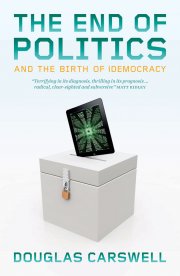
"A revolutionary text ... right up there with the Communist manifesto" - Dominic Lawson, Sunday Times
Printed and promoted by Chris Lowe on behalf of Douglas Carswell, both of 105 Station Road, Clacton-on-Sea, Essex
