Douglas Carswell
Britain's Corporatist Foreign Policy
"For Osborne, foreign policy is strictly business," complained the BBC, following the Chancellor's trip to China. "Economics trumps everything else, be that old alliances or any notion of a universalist, ethical foreign policy."
But is Britain's foreign policy actually good for British businesses and consumers?
Osborne's deals with China's dirigiste bureaucrats are a classic example of government failure in business: UK taxpayer subsidies to foreign companies that will raise energy prices for British consumers.
But the Chancellor's vision of foreign policy is hardly new. In fact, he is staying true to a tried, failed, but stubbornly retained British foreign-policy tradition that is not pro-business, but pro-corporatism.
We live in a global economy, and have done for hundreds of years. Trade between people thousands of miles apart –whether following the Silk Road, the Via Maris, or the Spice Route – has been happening for millennia without any need for government intervention.
In fact, when governments have intervened in international trade, it has usually been to restrict it: by imposing tariffs to protect vested interests and enrich political elites at the expense of consumers. Centuries of benefits from free trade have done nothing to dampen government enthusiasm for opposing it. Just look at British government support for the world's biggest protectionist club.
The Foreign Office claims to promote trade. But its trade missions and delegations are actually designed to stitch up contracts between Big Business and foreign governments, and freeze out real competition. The fact that the FCO focuses on kowtowing to authoritarian regimes should come as no surprise. From Saudi Arabia to Iran to China, it is the countries where trade is the co-opted the most by political elites that provide the biggest opportunities for cosy backroom deals.
This isn't international trade; it's international cronyism, or neo-mercantilism.
Trade must be a key part of any country's foreign policy. UK foreign policy should aim at the very least to secure our borders and allow our goods access to foreign ports. Recent weeks have proved that this Government can't even manage that.
The best trade policy should mean getting government out of the way.

 RSS Feed
The End of Politics and the Birth of iDemocracy
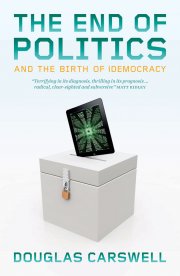
"A revolutionary text ... right up there with the Communist manifesto" - Dominic Lawson, Sunday Times
Printed by Douglas Carswell of 61 Station Road, Clacton-on-Sea, Essex
