TalkCarswell.com
Douglas Carswell's Blog
Hail Mr Speaker!
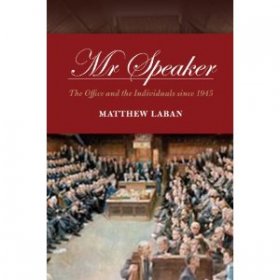 I am looking forward to the launch of Matthew Laban's Mr Speaker on Monday in the House of Commons. It is the first detailed study of the office of Speaker for a generation apparently, and I am keen to see what the book has to say.
All very SW1, you might think - and you're right.
But in the drive to make Westminster more accountable to the wider country, the Speaker's role is proving crucial.
Before Bercow, Commons standing orders allowed the Speaker to, in effect, be installed via the "usual channels". Of course voting happened, but it was done in such a way that the whips could favour whoever they wanted.
The result? The executive branch of government had the legislature stitched up.
Now, of course, the Speaker owes their position to a private ballot of the whole House. And I can't help noticing that amendments that ministers might find awkward get called. Urgent questions are allowed. The tempo of debate makes it harder for those at the despatch box to waffle.
Under Bercow, the Commons is becoming less supine and spineless. Parliament is rediscovering its purpose.
Of course, the "usual channels" hate it, complaining about the Speaker's supposed biase. Poppycock. The rest of us should take it all as evidence that the Speaker is on the right side, and that things are beginning to get better.
blog comments powered by Disqus
 RSS Feed
The End of Politics and the Birth of iDemocracy
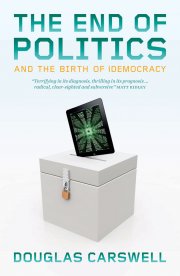
"A revolutionary text ... right up there with the Communist manifesto" - Dominic Lawson, Sunday Times
Printed and promoted by Chris Lowe on behalf of Douglas Carswell, both of 105 Station Road, Clacton-on-Sea, Essex
