TalkCarswell.com
Douglas Carswell's Blog
Joining the digital dots
First it was British MPs and their expenses. Then US diplomats and their wikileaks.
Now perhaps it'll be Middle East tyrants and their lack of legitimacy.
All around, we can see how digital technology brings hyper accountability. By CD, memory stick, twitter and email, digital technology breaks open privileged, self-regarding cliques, exposing them to scrutiny that was never previously possible.
Like the printing press in early modern Europe, digital online technology is dispersing power. Only much, much faster.
What other priesthoods will soon feel the democratising impact of this digital revolution? Journalists? Public contractors? The criminal justice system? Professions? Trade unions? Political parties?
More importantly, how should institutions and vested interests adapt to this accountability dot com? Like MPs or the US State Department, perhaps the first reaction will be to clamp down. Longer term, the answer is to adapt to digital democracy; overturn 20th century corporatist thinking about organisational structure and the flow of information - and go open source.
blog comments powered by Disqus
 RSS Feed
The End of Politics and the Birth of iDemocracy
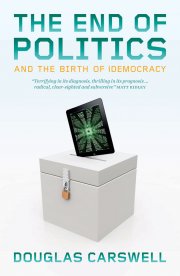
"A revolutionary text ... right up there with the Communist manifesto" - Dominic Lawson, Sunday Times
Printed and promoted by Chris Lowe on behalf of Douglas Carswell, both of 105 Station Road, Clacton-on-Sea, Essex
