TalkCarswell.com
Douglas Carswell's Blog
Lockerbie: it's not just Labour who have questions to answer, but Whitehall
Newly released government papers seem to suggest British foreign policy towards Libya was focused on helping BP.
Would that be the same BP that hired former British diplomats and others who might have previously helped shape British foreign policy in the region? Why do you suppose they might have wanted to do that then?
Is it right that former British diplomats and intelligence officials should be put on the BP payroll?
Having raised the issue of the “revolving door” between big government departments and big business with Nick Clegg, I’ve so far got nowhere. Undeterred, I’ve written to ask him to tighten up the rules. It seems that transparency is the key.
At present, if a senior public official wants to work in the private sector, they have to get the approval of a committee of Whitehall grandees. But FoI requests suggest that once in the private sector, former public officials don’t hold back in visiting their old departments. Some even ‘phone ministers directly to try to influence policy.
There may be a case for advancing British corporate interests overseas.
But until the rules on the “revolving door” are tightened to ensure total transparency, we cannot have confidence that UK policy is being made in the interest of the country, rather than that of big corporations.
blog comments powered by Disqus
 RSS Feed
The End of Politics and the Birth of iDemocracy
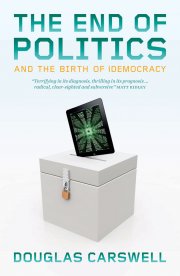
"A revolutionary text ... right up there with the Communist manifesto" - Dominic Lawson, Sunday Times
Printed and promoted by Chris Lowe on behalf of Douglas Carswell, both of 105 Station Road, Clacton-on-Sea, Essex
