TalkCarswell.com
Douglas Carswell's Blog
Low rates have made things worse
Mark Hoban, the treasury minister, was on Radio 4 singing the praises of low interest rates.
We keep being told that keeping interest rates low helps consumers, stimulates demand and makes the economy grow. But is that really so?
We've now had interest rates held at almost zero for thirty something months. Spot the recovery? Me neither.
Keeping the price of anything artificially low does not increase the supply of it. It will usually mean a shortage of it. So, too, with credit.
Far from fixing the "credit crunch", low rates have made things worse. With little incentive to save, there's been no build up of savings. So now the government is about to start credit rationing easing. If they kept the price a grain artificially low they'd be needing to ration bread, too. There's an obvious free market answer.
Worse, pushing down the cost of credit has stimulated over consumption, discouraged saving and encouraged more borrowing. How does that fix a debt crisis?
How much worse do things need to get before the Treasury recongise that a monetary stimulus, just like a fiscal stimulus, cannot conjure up prosperity?
When will the experts in the treasury finally see that an economy doesn't grow because demand rises? Demand rises because an economy grows.
blog comments powered by Disqus
 RSS Feed
The End of Politics and the Birth of iDemocracy
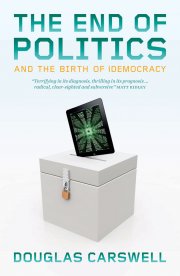
"A revolutionary text ... right up there with the Communist manifesto" - Dominic Lawson, Sunday Times
Printed and promoted by Chris Lowe on behalf of Douglas Carswell, both of 105 Station Road, Clacton-on-Sea, Essex
