Douglas Carswell
The internet is bringing communities back together
One thing the world never seems short of is cultural pessimism. We are constantly invited to believe that society is going to the dogs. Communities are supposed to have been atomised. Social capital squandered. The bonds that bind us together are meant to have frayed.
At the turn of the 21st century, Robert Putnam's Bowling Alone gave empirical backing to these claims of civic decline. But I reckon Putnam and the pessimists failed to factor in the internet thingy.
Rather than leaving us to live in our own, lonely little worlds, my bet is that the internet revives civic engagement. Things are going to get better. Much better than they were in the past. Broadband will turn out to be a kind of glue, bringing communities together in all sorts of wonderful new ways.
At a recent (internet-organised) town hall meet up in Clacton, people who had lived in the same street for almost 20 years sat down and spoke for the first time. Brought together thanks to Twitter and email. It was touching to watch. From where I was sitting, it looked like they were starting to become friends as they munched fish and chip together.
In my part of Essex are dozens of small groups of emailers who constantly ping messages back and forth among their little cluster. Someone's local email list becomes a sort of social network. It's how several volunteer groups I know got going.
This phenomenon is happening all over the place – even if expert sociologists have yet to write PhDs about it, or invent the jargon to describe it.
Some of the digital platforms that will regenerate this new social capital have yet to be written. But already StreetLife.com (think Twitter, but with postcodes for hashtags) is allowing people to connect to organise everything from Christmas lunches for the neighbourhood to advice about washing machines. It is full of neighbourly chat from details of a bloke selling fresh fish locally to someone seeking a new home for a travel cot.
Bowling alone? Thanks to broadband, only if you choose to.
"What about the digital divide?" you ask. "Not everyone knows how to use computers." Of course. And nor is everyone is online. Yet. But thanks to technology, more and more people are. Using computers is becoming so intuitive that we're almost at the point where it is not seen as "using a computer" at all.
When radio, film and television came along, the doom-mongers predicted that the new technology would prove isolating in its effects. But that is what cultural pessimists say about everything. Instead radio, film and television provided entertainment for millions – not to mention common cultural reference points. Victorian era music halls emptied out for a reason.
The internet not only makes unlimited choice, at the lowest price available to everyone as we do our Christmas shopping. It is going to make better neighbourhoods, too.

 RSS Feed
The End of Politics and the Birth of iDemocracy
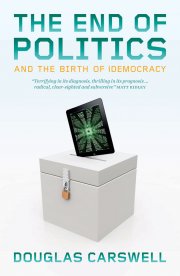
"A revolutionary text ... right up there with the Communist manifesto" - Dominic Lawson, Sunday Times
Printed by Douglas Carswell of 61 Station Road, Clacton-on-Sea, Essex
